Service PBR Texturing
Back to top

PBR texturing materials that read correctly under any engine's light

Start a project

A material described by its physical properties looks right under any light. We make those maps for your models or ours, at the resolution and in the map set your engine uses.

Service

PBR texturing describes a surface by how it behaves: its colour, its roughness, whether it is metal, and the small bumps on it. The result looks right in any engine under any light. We make texture sets for your models or for ours.

This page is for a team with untextured or badly textured models, a catalogue whose materials do not match, or a set that needs the same finish across every object. We unwrap if needed, bake detail from a high-poly source, paint and set the maps, and check them in the engine or viewer you name. The library models on our 3D modelling section show the standard: brass that reads as brass, clay as clay, painted steel as painted steel.

What you get

  • 01

    The full map set

    Base colour, roughness, metalness, normal and ambient occlusion, plus emissive, opacity or height when the material needs them.

  • 02

    Packed the way your engine wants

    Separate maps, or roughness, metalness and occlusion packed into one image for Unity or Unreal, named to your convention.

  • 03

    At the size you need

    2K for renders and close-ups, 1K for web and AR, or the size your platform specifies. Texel density kept even across a set.

  • 04

    UVs sorted first

    If a model has overlapping, stretched or missing UVs, we re-unwrap it before texturing, and add a lightmap UV set when asked.

  • 05

    Baked from high-poly

    Bolts, seams, stitching and engraving baked from a detailed source into the normal and occlusion maps of the light model.

  • 06

    Checked in the viewer

    Every material is checked in the engine or the web viewer it is destined for, under its lighting, before delivery.

Work like this

Materials the studio has set for product films and stills: brushed metal, glass, rubber, braided fabric and printed packaging.

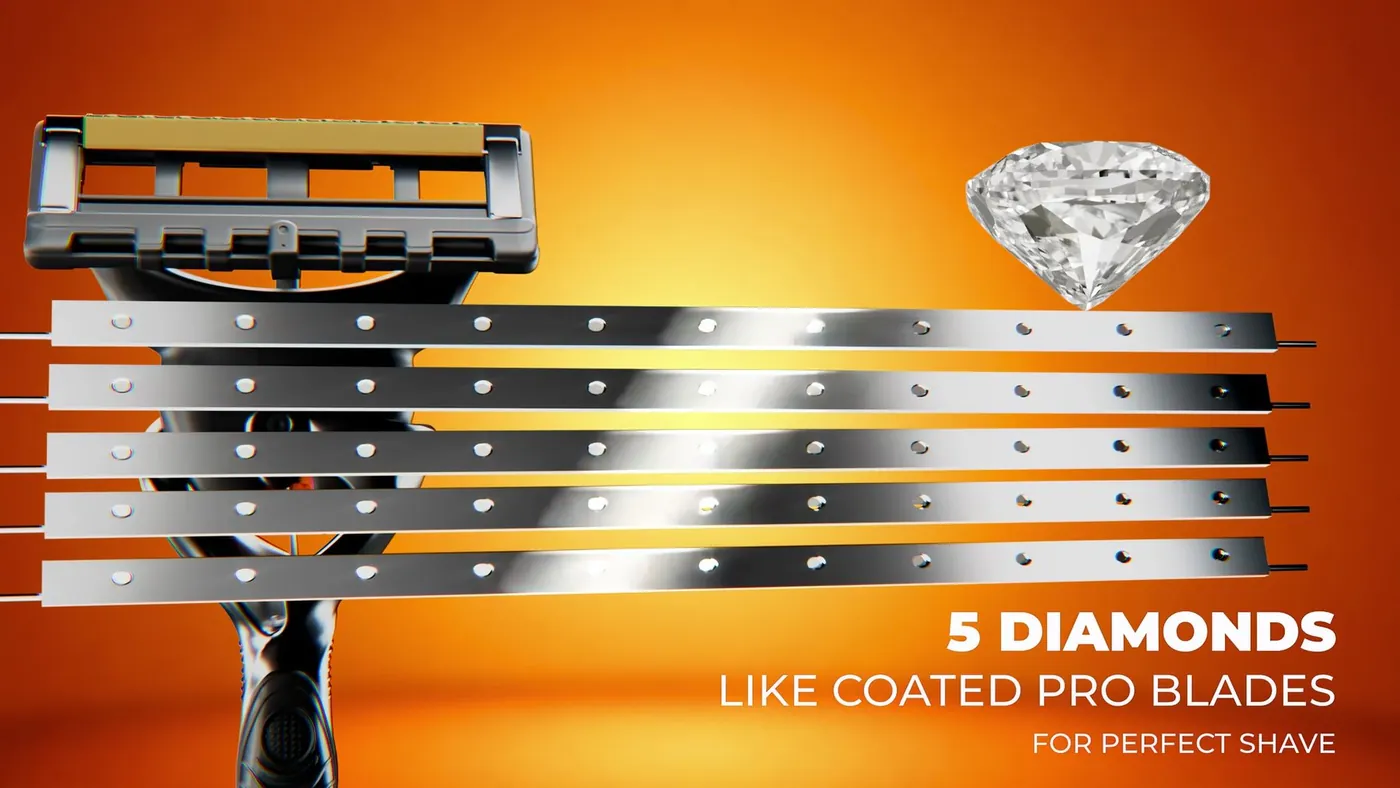
Macro 3D render of the Gillette Fusion 5 razor head Gillette Fusion 5 — Product Film3d product rendering — hero campaign loop
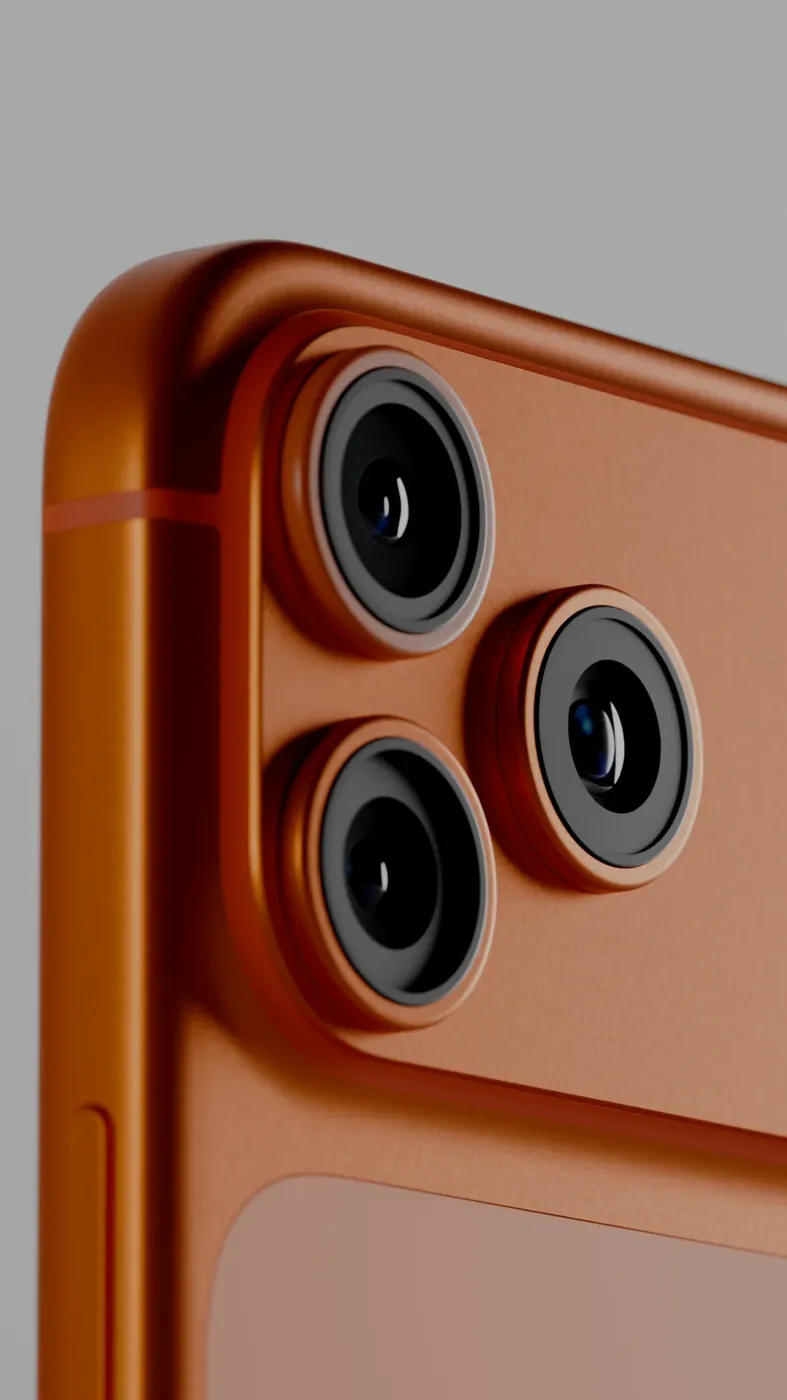
3D product render of a phone on an orange set Product Image RendersHero stills & packaging visualisation
American Tourister suitcase, frame from the 3D product film American Tourister — Suitcase3d product film — suitcase animation

What PBR means, in plain terms

PBR stands for physically based rendering. Instead of painting how a surface looks under one light, the maps describe what the surface is. Base colour is the colour with no light on it. Roughness says how sharp or blurred reflections are. Metalness says whether the surface reflects like a metal or like everything else. The normal map adds fine bumps without adding polygons. Ambient occlusion darkens the crevices. Because the maps describe properties, the same material looks right at noon in a game, under a studio light in a render and in daylight through a phone camera in AR.


What we texture

We texture objects: props, furniture, vehicles, machines, devices and products. The source can be ours or yours.

  • Models we have built, as part of a game-ready or hard-surface order
  • Your untextured models, from CAD, a scan or an earlier project
  • Models with textures that do not match across a catalogue or a set
  • Render models being reduced for real time, whose detail must be baked
  • Library models that you want in a different finish or colourway

What to send

Send the model files, the engine or viewer they are for, the map set and packing your material setup uses, and the texture sizes. Add photographs of the real material if there is one, or references for the look. If you have a style guide or finished assets from the same project, send two or three so the new materials match. Tell us if the models need a lightmap UV set, and whether any surface should wear, scratch or age.

How PBR texturing is priced

Texturing is quoted per model, or per set when the objects share a material standard. The price depends on the texture resolution, the number of maps and the number of materials on the object. An object with one painted-metal material at 1K is a small job. A cart with timber, rusted steel, canvas, rubber tyres and printed signage at 2K is a large one. Unwrapping is quoted separately when the UVs have to be redone, and baking is included when we have a high-poly source to bake from.

The quote lists each object, its materials, maps, sizes and packing, the revision rounds and the schedule.

When texturing alone is enough

If the shape of your model is sound and only the surface is wrong, texturing is the right order and the cheaper one. If the mesh is also too heavy for its target, order LODs and optimisation with the texturing, because the two are done on the same pass. If the model is wrong in shape or scale, texturing will not hide it, and we will say so after looking at the file. A new build is covered on game-ready 3D models.

How it runs

  1. 01

    Files and brief

    You send the models, the engine or viewer, the map set and sizes, and material references.

  2. 02

    UV check

    We check the UVs and re-unwrap where they overlap, stretch or are missing. You approve the layout.

  3. 03

    Bake

    Fine detail from a high-poly source is baked into normal and occlusion maps where one exists.

  4. 04

    Paint and set

    Materials are built and adjusted on a turntable under neutral light. You approve the look.

  5. 05

    Pack and check

    Maps are packed and named to your convention, checked in the engine, and delivered.

Questions

How much do PBR texturing services cost?

Per model, or per set. The price depends on the texture resolution, the number of maps and the number of distinct materials on the object. Re-unwrapping is quoted separately. Send the models and the target engine for a quote.

What maps are in a PBR texture set?

Base colour, roughness, metalness, normal and ambient occlusion are the usual five. Emissive, opacity and height are added when a material needs them. Some engines pack roughness, metalness and occlusion into one image, and we deliver that way when asked.

What texture resolution should I ask for?

2K for renders, close-ups and hero objects. 1K for web and AR, where file size matters more. For a game it depends on the object's size on screen; a set keeps the same texel density, so sizes vary by object. Tell us the platform and we propose sizes.

Can you texture models we already have?

Yes. Send the files. We check the UVs first, because many untextured models from CAD or scans have none, and re-unwrap if needed before texturing.

Can you make our old models match our new ones?

Yes. Send a few of the new models as the standard. We rebuild the old materials to the same roughness, colour and detail conventions so the catalogue reads as one set.

Are the textures made with AI?

No. Materials are built and painted in the studio with our own tooling and checked by hand on a turntable and in the target engine.

Do you also do the UV unwrapping?

Yes. If the model has no UVs or bad ones, we re-unwrap it before texturing, and we add a second non-overlapping UV set for lightmaps when the engine needs one.

Keep going

Get in touch

Send the models, the engine they are for and a few material references. A quote per model follows, with the maps and sizes listed.

Clients

Developers, brands and studios we have made work for.

  • Piramal NextGen
  • Raymond
  • Clinique
  • Delta Corp
  • Gillette
  • Piramal Peninsula
  • JM Group
  • The G Story
  • Empire Living
  • Engage
  • Arch Sterix, Nigeria
  • The Croffle Guys
  • Bombay Design Lab
  • AND Design Co
  • QPC Group, Australia