Service Hard-Surface 3D Modelling
Back to top

Hard-surface 3D modelling vehicles, machines and products with clean edges

Start a project

Man-made objects have edges a camera can read from any distance. We model vehicles, machines, cockpits, appliances and products so those edges stay crisp at every level of detail.

Service

Hard-surface modelling is the modelling of man-made objects: vehicles, machines, devices, furniture frames and products. The craft is in the edges, which must stay crisp, and the curves, which must stay even, whether the object is seen in a close-up render or across a game level.

We build hard-surface models from drawings, CAD or photographs, for games, real-time walkthroughs, films, web pages and AR. The sim-racing cockpits and seats and the handheld-console study in our library are hard-surface pieces, and you can see them on the 3D modelling section and on the home page. This page covers what the work involves, what to send, how it is priced, and when a hard-surface build is the right order.

What you get

  • 01

    Vehicles and cockpits

    Cars, rickshaws, carts, seats and rigs, with panel gaps, bolts and welds modelled or baked as the budget allows.

  • 02

    Machines and appliances

    Pumps, cylinders, cookers, lamps and tools, with moving parts separated when you need them to animate.

  • 03

    Devices and products

    Consoles, keyboards, chargers and packaging, with the label artwork placed exactly from your files.

  • 04

    Edges that hold up

    Bevels and support loops sized for the distance the object is seen from, so edges catch light without shading errors.

  • 05

    Any detail tier

    A High tier for renders with 2K textures, a Mid tier for real-time and a Low tier for web and AR, all from one source.

  • 06

    PBR materials that read

    Painted metal, brushed steel, cast brass, rubber, glass and plastic set up so each reads correctly under engine lighting.

Work like this

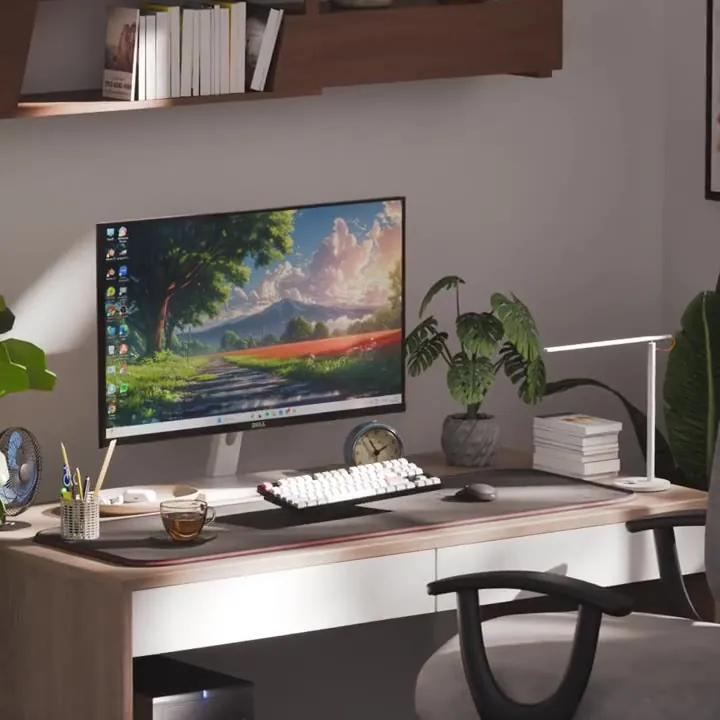
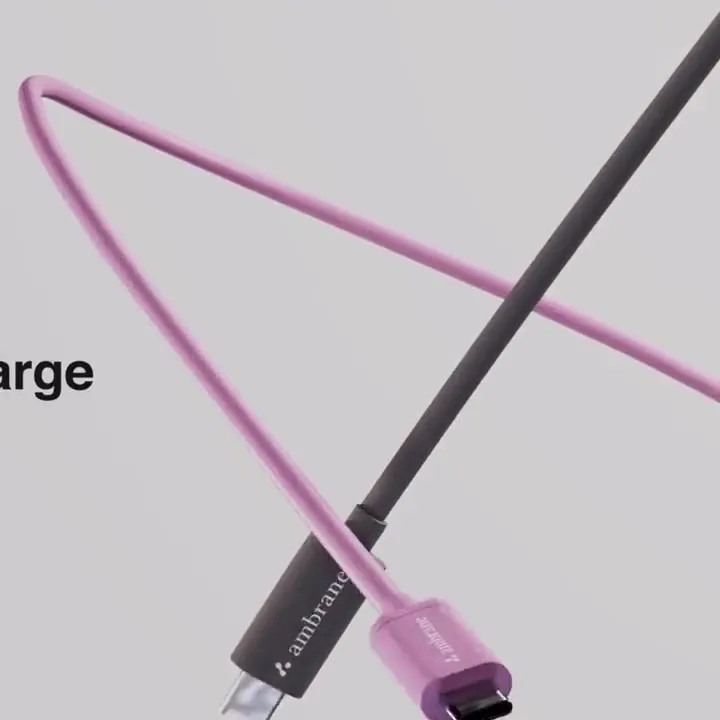
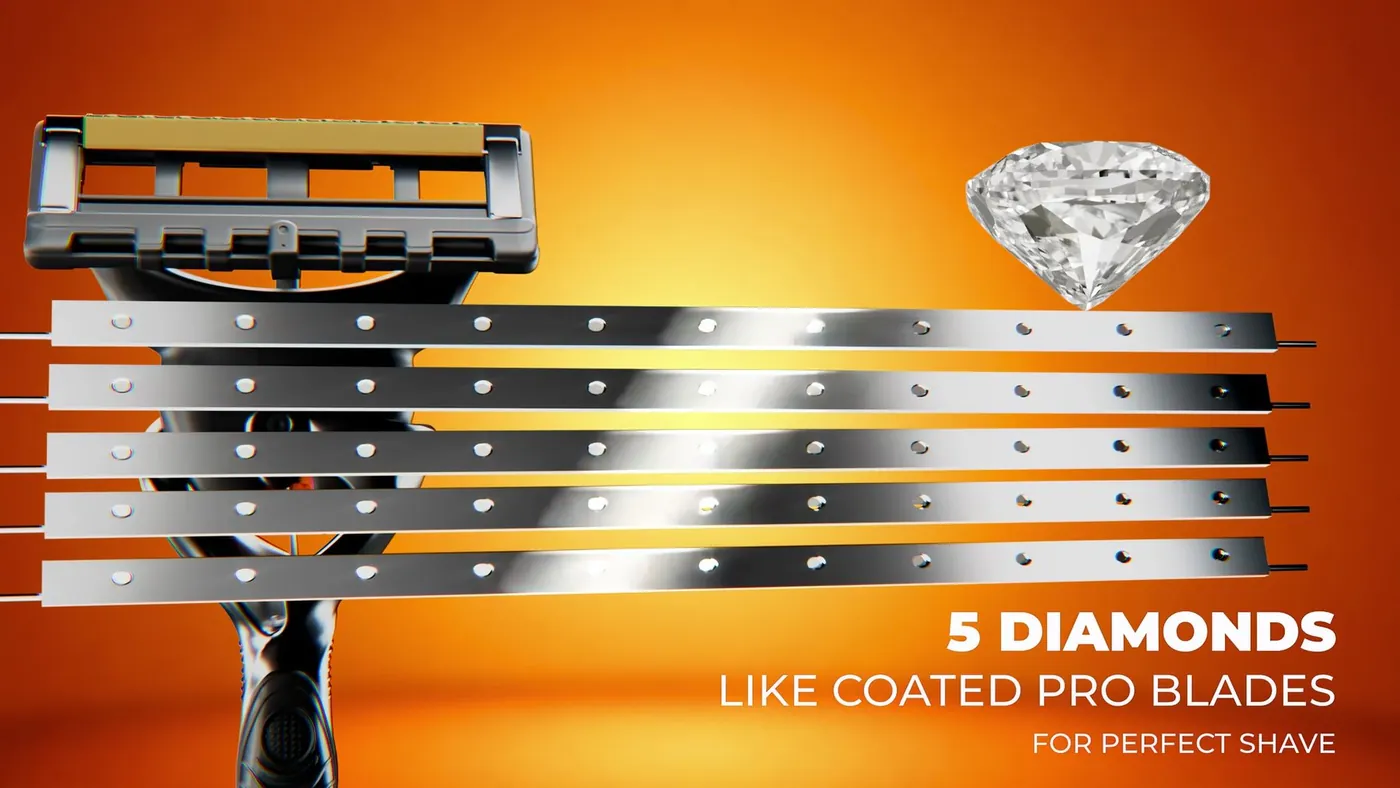
Hard-surface products the studio has modelled and filmed: a keyboard, a suitcase, a charger cable and a razor.

American Tourister suitcase, frame from the 3D product film American Tourister — Suitcase3d product film — suitcase animation
Macro 3D render of the Gillette Fusion 5 razor head Gillette Fusion 5 — Product Film3d product rendering — hero campaign loop

What makes hard-surface work different

An organic model, such as a tree or a cushion, forgives a wobble. A machined object does not. A line that should be straight has to be straight, a radius has to be the same along its whole length, and parallel panels have to stay parallel when the camera moves. Shading shows every error, because flat metal and glossy plastic reflect light in long, readable streaks.

So the modelling is careful and the topology is deliberate. Edges are supported by extra loops so they stay sharp when smoothed. Curves are built with enough segments for the closest view, then reduced for the LODs. Fine detail, such as a bolt head or a vent grille, is modelled in the High tier and baked into a normal map for the Mid and Low tiers.


Objects we model

We model objects, including the ones that move. We do not model characters or creatures, and we do not design the product; we build what your drawings describe.

  • Vehicles: cars, two-wheelers, auto rickshaws, carts and trailers
  • Cockpits, seats and rigs, such as the sim-racing pieces in our library
  • Machines and appliances: pumps, cylinders, cookers, generators, fans
  • Devices: consoles, controllers, keyboards, phones, chargers
  • Furniture frames and fittings: metal, timber and stone components
  • Products and packaging, with label artwork from your files
  • Street fixtures: poles, tanks, signs, railings, lamps

What to send for a hard-surface model

The most direct start is CAD or a dimensioned drawing, because the shapes are already exact. Without them we work from photographs of the front, back, sides and top, with the overall dimensions written down, and from a sample if one can be sent to Mumbai. Tell us where the object will be seen: a game engine, a browser, an AR viewer or a rendered film. That decides the detail tier, the texture size and whether moving parts need to be separate meshes with their own pivots.

How hard-surface modelling is priced

Each object is quoted per model, and a group of related objects per set. The detail tier, the texture resolution and the number of LODs move the price, as they do for any game asset. Hard-surface work adds two factors of its own: the number of separate parts, and whether the shapes come from CAD or have to be reconstructed. A chair frame with four parts and a drawing is a small job. A rickshaw with a working door, a folding hood, a meter and a dashboard reconstructed from photographs is a large one.

The quote names each object, the parts, the maps and LODs, the formats, the revision rounds and the schedule.

A model for renders, or for real time

If the object is only for a product film or stills, you may not need the real-time tiers at all; our 3D product modelling page covers that order. If it is for a game or an interactive walkthrough, we build the High tier first and reduce from it, so the renders and the real-time model match. If you have a CAD or render model already, LODs and optimisation turns it into a real-time one without starting again.

How it runs

  1. 01

    Drawings or photographs

    You send CAD, drawings or photographs with dimensions, and say where the object will be seen.

  2. 02

    Blockout

    The main volumes at true scale, with moving parts separated. You approve the proportions.

  3. 03

    Detail and edges

    Bevels, support loops, bolts, gaps and vents are modelled at the High tier.

  4. 04

    Reduce and bake

    Mid and Low tiers and the LODs are reduced from the High tier; fine detail is baked to normal maps.

  5. 05

    Texture and deliver

    PBR materials are set, files are re-imported and checked, then delivered in the formats agreed.

Questions

How much do hard surface 3D modeling services cost?

Per model, or per set for a group of objects. The detail tier, texture resolution and number of LODs set the base, and the number of separate parts and whether CAD exists move it. Send drawings or photographs of a typical object for a quote.

What is hard-surface modelling?

Modelling man-made objects with defined edges and machined forms, such as vehicles, machines, devices and products. It is distinct from organic modelling of people, animals and plants.

Can you model from photographs if there is no CAD?

Yes. We need photographs from the front, back, sides and top, and the overall dimensions. Reconstruction from photographs takes longer than working from CAD, so the quote reflects it.

Can the model have moving parts?

Yes. Doors, lids, wheels, levers and hoods are built as separate meshes with their own pivots when you ask for it, so they can be animated in the engine.

Do you model characters as well?

No. We model objects: vehicles, machines, devices, furniture and products. Characters and creatures are outside what we do, so for a game you would pair us with a character artist.

Will a hard-surface model from a film work in a game?

Not as it is. A film model is far too heavy and its detail is modelled rather than baked. We reduce it, bake the detail into normal maps and add LODs, or build the real-time tiers from the same source if we made the original.

Can I see examples of your hard-surface work?

Yes. The sim-racing cockpits, seats and a handheld console in our library turn on the models page, and some are on the home page. The product films on this page show the same modelling in close-up.

Keep going

Get in touch

Send drawings, CAD or photographs of the object and say where it will be seen. We reply with a quote per model.

Clients

Developers, brands and studios we have made work for.

  • Piramal NextGen
  • Raymond
  • Clinique
  • Delta Corp
  • Gillette
  • Piramal Peninsula
  • JM Group
  • The G Story
  • Empire Living
  • Engage
  • Arch Sterix, Nigeria
  • The Croffle Guys
  • Bombay Design Lab
  • AND Design Co
  • QPC Group, Australia