
Who it is for AR & E-commerce Platforms
Back to top

3D models for AR and e-commerce platforms catalogues to one specification

Start a project

A platform does not need one good model. It needs hundreds that meet the same specification, load in the same time and look like they belong to one store. We run it as production.

Who it is for

AR and e-commerce platforms need 3D models of products in volume, all to one specification, all working in a browser and in AR on both kinds of phone. We produce catalogues of GLB and USDZ models to your specification, with a check on every file.

This page is written for an AR platform, a marketplace, a retailer with a large catalogue or an agency supplying one. It covers how we take a specification and turn it into a production standard, how a catalogue is batched and checked, what you send for each product and how volume work is quoted. The models in our own library are built this way, in GLB and USDZ at true scale, and you can turn them and place several in AR on the 3D modelling section.

Where it helps

  • 01

    To your specification

    File size, polygon limit, texture size, naming, pivot and material rules taken from your document and applied to every product.

  • 02

    One standard across the catalogue

    Every model built the same way, so a sofa and a lamp from different weeks sit together on the same page.

  • 03

    GLB and USDZ from one source

    Both files exported from the same cleaned model, so Android and iPhone shoppers see the same product.

  • 04

    True scale, floor or wall

    Built in millimetres to the product's real dimensions, with the pivot and placement set for the floor or the wall.

  • 05

    Batched and checked

    Produced in batches, each file re-imported, opened in a browser and on both phones, and checked against the specification.

  • 06

    From CAD, photos or old models

    Built from manufacturer CAD, from photographs with dimensions, or converted and fixed from models you already hold.

Work in this field

Product models the studio has built for films and stills; the library shows them as GLB and USDZ at true scale.

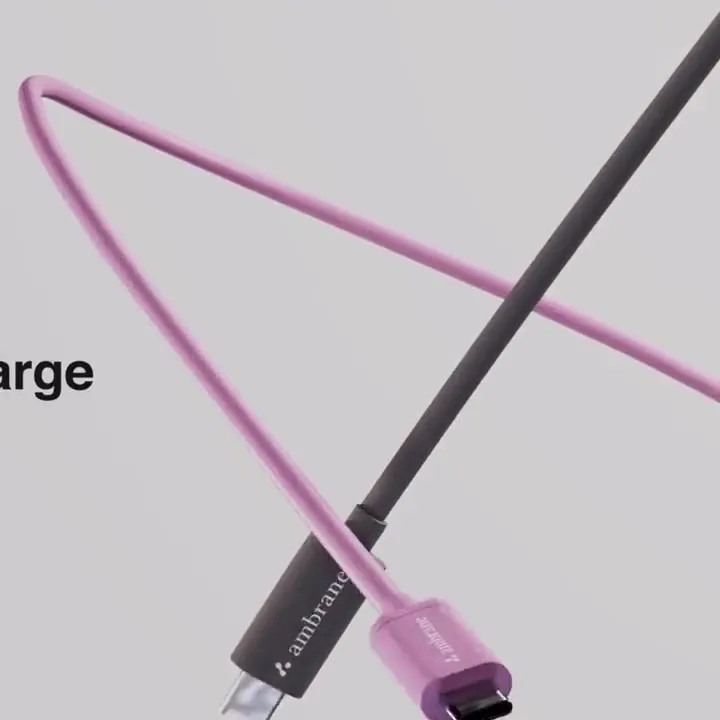
American Tourister suitcase, frame from the 3D product film American Tourister — Suitcase3d product film — suitcase animation
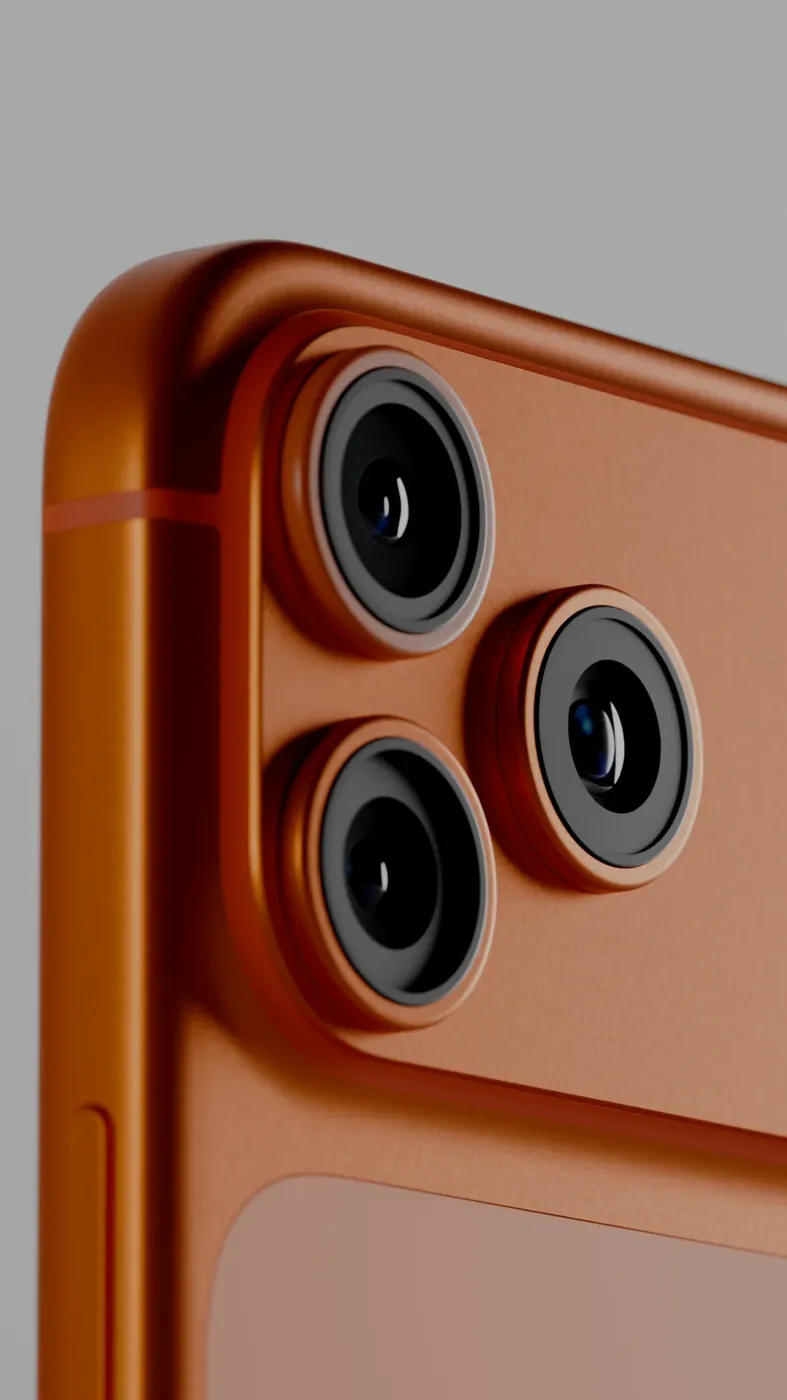
3D product render of a phone on an orange set Product Image RendersHero stills & packaging visualisation
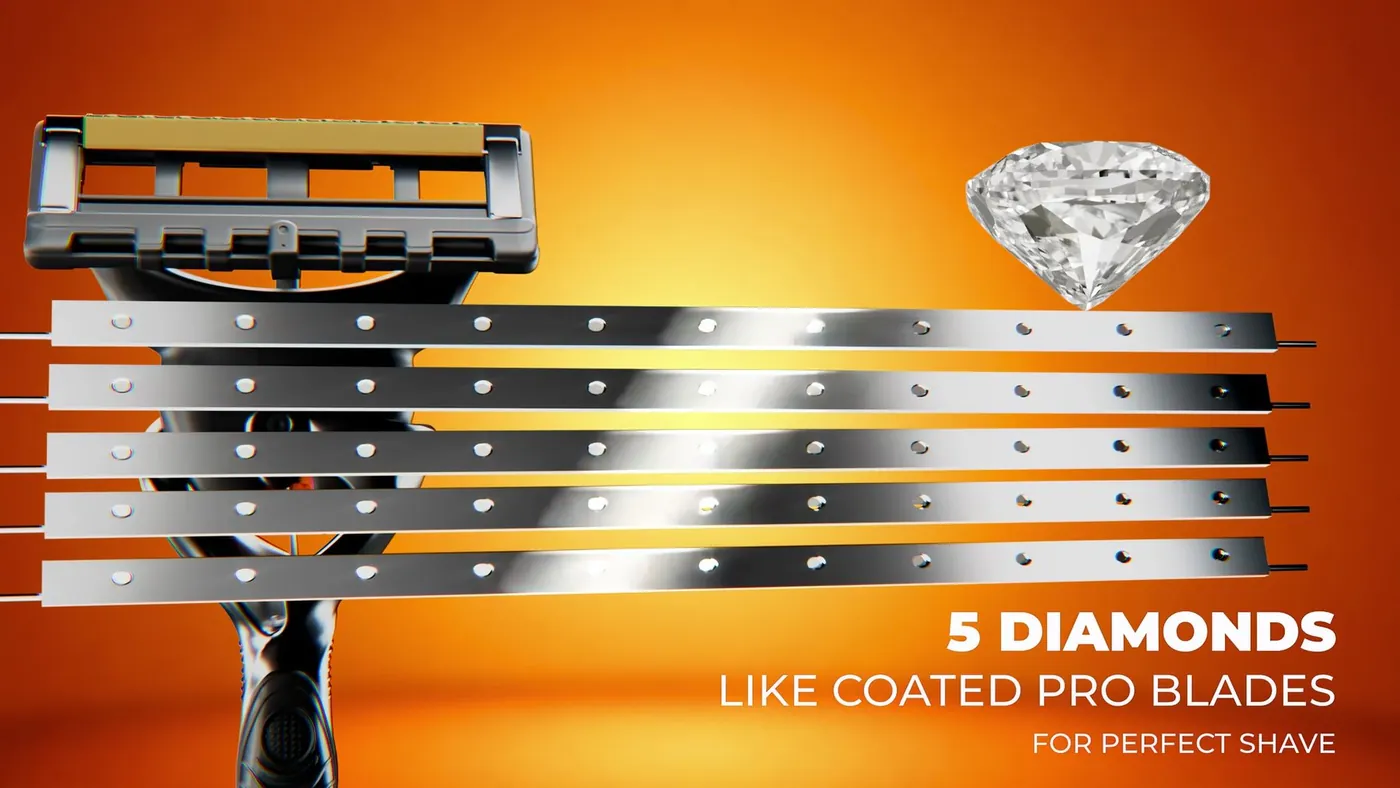
Macro 3D render of the Gillette Fusion 5 razor head Gillette Fusion 5 — Product Film3d product rendering — hero campaign loop

From a specification to a production standard

Your specification sets the limits: a file size, a polygon count, a texture size, a naming pattern, where the pivot sits, what a material may contain. We turn it into a short production standard that every modeller and every tool in the studio applies, and we build the first products to it for your approval. After that, consistency is a matter of tooling and checking rather than memory. If the specification changes, the standard is updated and the batches that follow use the new one; we tell you which products were built under which version.


How a catalogue is produced

Volume work is a pipeline. Each step below is done for every product, and nothing is delivered that has not been through all of them.

  • Intake: the product's CAD, photographs or existing model, its dimensions and its material references, logged against its SKU
  • Build or convert: modelled from CAD or photographs, or an existing model fixed and reduced
  • Materials: PBR materials set to the standard, variants handled as texture sets on one mesh
  • Scale and placement: millimetres, pivot at the base or against the wall, forward axis as specified
  • Export: GLB with Draco where accepted, USDZ from the same source
  • Check: re-imported, opened in a browser and on both phones, measured against the specification
  • Delivery: named as specified, in batches, with a sheet listing each product's counts and sizes

What to send for each product

Manufacturer CAD is the quickest start, because the dimensions are exact and the parts are already separate. Without CAD we work from photographs of the front, back, sides and top with the overall dimensions, or from a sample sent to Mumbai. For each product we also need the material and colour references for every variant, the SKU and the category, because a wall mirror is placed differently from a rug. If you hold older models, send them; converting and fixing them is often quicker than building new, and we say which after inspecting them.

How volume work is quoted

A catalogue is quoted per set, with a price per model inside it. The price per model depends on the complexity class of the product, the texture resolution your specification allows, and whether it is built from CAD, from photographs or converted from an existing model. Colour and finish variants on one mesh cost less than new shapes. A pilot batch is quoted first, so both sides see the standard and the pace before the full catalogue is committed. New products added later take the same per-class price.

The quote lists the classes, the price per model in each, the batch schedule, the revision rounds and the checks performed. If your platform supplies the viewer and the hosting, this is the whole job; if you need the viewer too, see web AR.

Indian products, ready now

If your catalogue includes Indian furniture and decor, our library of Indian 3D models already has 38 of them in GLB and USDZ at true scale: a teak sofa, a charpai, a diwan, a jhoola, a pooja mandir, brass and copper kitchenware, lanterns and lamps. They can be supplied as they are, re-skinned to your products' finishes, or used as the standard for the new models we build for you.

Questions

How much does it cost to make 3D models for an e-commerce catalogue?

Per set, with a price per model by complexity class. The class, the texture resolution your specification allows and the starting point, whether CAD, photographs or an existing model, set the price. A pilot batch is quoted first. Send the specification and a sample of products for a quote.

Can you build to our platform's 3D specification?

Yes. Send the current document. We turn it into a production standard, build the first products to it for your approval and check every file against it before delivery.

Do you deliver both GLB and USDZ?

Yes, exported from the same cleaned source so they match. GLB is for browsers and Android, USDZ for iPhone and iPad. If your platform converts to USDZ itself, we deliver the GLB built to its rules.

How do you keep hundreds of models consistent?

With a written production standard, with the studio's own tooling applying the same scale, pivot, material and naming rules to every product, and with a check of every file against the specification before it leaves.

Can you convert the 3D models we already have?

Yes. We inspect them first. Many need scale, pivot or material fixes, and some are too heavy for a phone and need reducing. We tell you which can be converted and which should be rebuilt, and quote each.

Will the products appear at true size in AR?

Yes. Every model is built in millimetres to the product's real dimensions, and the pivot and placement are set so floor items sit on the floor and wall items hang on the wall in Quick Look and Scene Viewer.

Can you handle colour and fabric variants?

Yes. Variants share one mesh and differ by texture set, which keeps the catalogue light and the price per variant well below a new model.

Where is the studio, and can we visit?

Prabhadevi, Mumbai. We work with platforms across India and abroad over shared review links, and Mumbai teams can visit the studio.

Keep going

Get in touch

Send your 3D specification and a sample of products. We reply with a pilot batch plan and a quote per model.

Clients

Developers, brands and studios we have made work for.

  • Piramal NextGen
  • Raymond
  • Clinique
  • Delta Corp
  • Gillette
  • Piramal Peninsula
  • JM Group
  • The G Story
  • Empire Living
  • Engage
  • Arch Sterix, Nigeria
  • The Croffle Guys
  • Bombay Design Lab
  • AND Design Co
  • QPC Group, Australia