Service 3D Product Rendering
Back to top

3D product rendering pack shots and hero stills without a photo shoot

Start a project

Product images made in 3D from your CAD, a sample or photographs. One model gives you every angle, colour and size, with no photo shoot to arrange.

Service

We build your product in 3D and light it the way a photographer would. You get pack shots on a plain background and hero stills in a composed setting, in every colour and angle you need, all from one model.

A pack shot is a clean image of the product for listings and catalogues. A hero still is the main campaign image, with a surface, props and light chosen for the product. Brands order 3D product rendering for e-commerce, launches, packaging approvals and print. Cove Craft is a 3D product rendering company in India, based in Mumbai, with one team doing the modelling and the rendering.

What you get

  • 01

    Pack shots on a plain background

    Front, back, side and angled views on white or a flat colour, for marketplaces, your own site and print. Every view matches because all of them come from one model.

  • 02

    Hero stills in a setting

    The product in a composed scene, for a campaign, a home page banner or a print ad. The scene is built in 3D and can be changed later.

  • 03

    Every colour and variant

    Once the model exists, a new colour, label or size is a change to the model. Nothing has to be made or shot again.

  • 04

    Packaging before it is printed

    Cartons, bottles, tubes and labels shown from the artwork file, so a pack can be approved or listed before the first print run.

  • 05

    Close-ups and cutaways

    Very close views of a texture, a joint or a mechanism, and cutaway views that show what is inside the product.

  • 06

    A model you can use again

    The same 3D model can be animated as a product film, shown turning on a web page, or placed in a shopper's room in AR.

Work like this

Hero stills, packaging images and product films, each rendered from a 3D model.

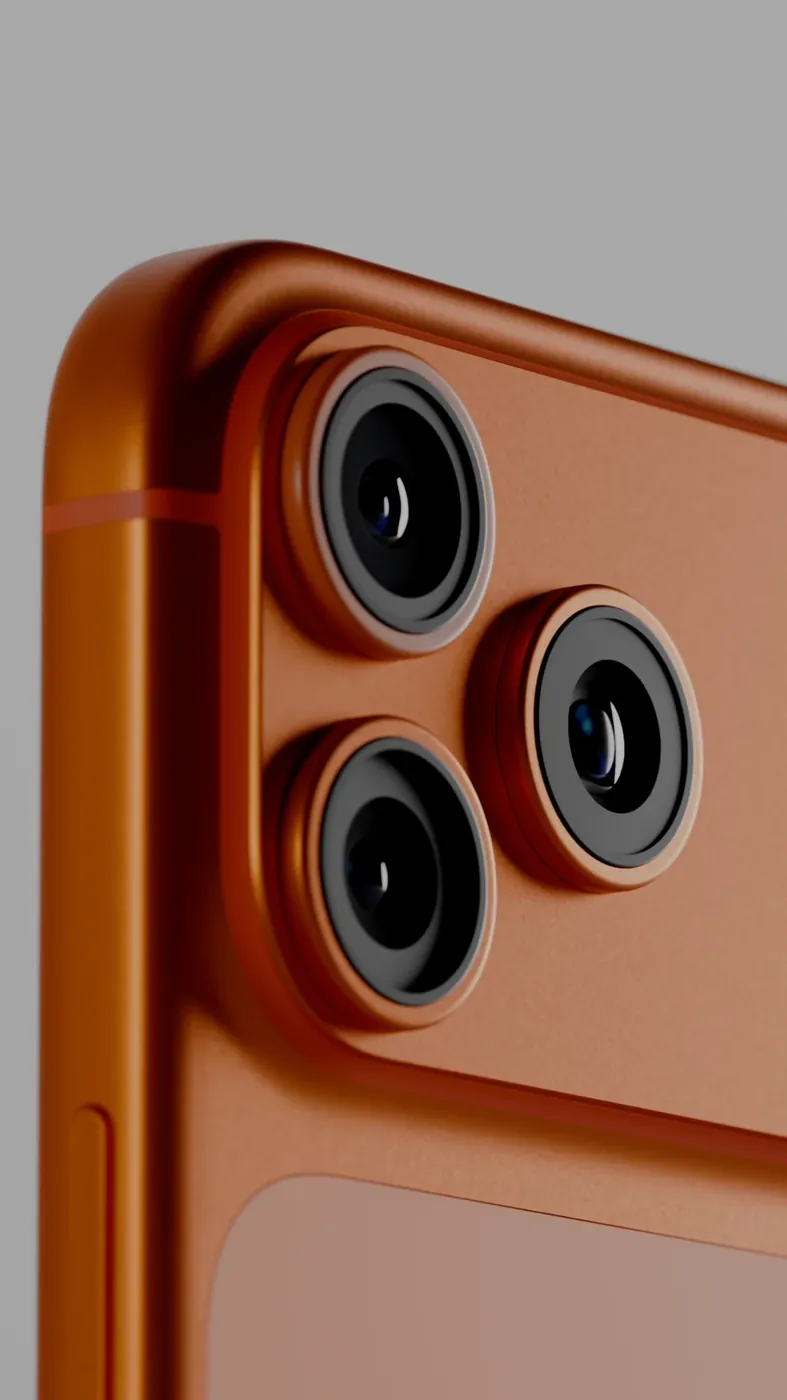
3D product render of a phone on an orange set Product Image RendersHero stills & packaging visualisation
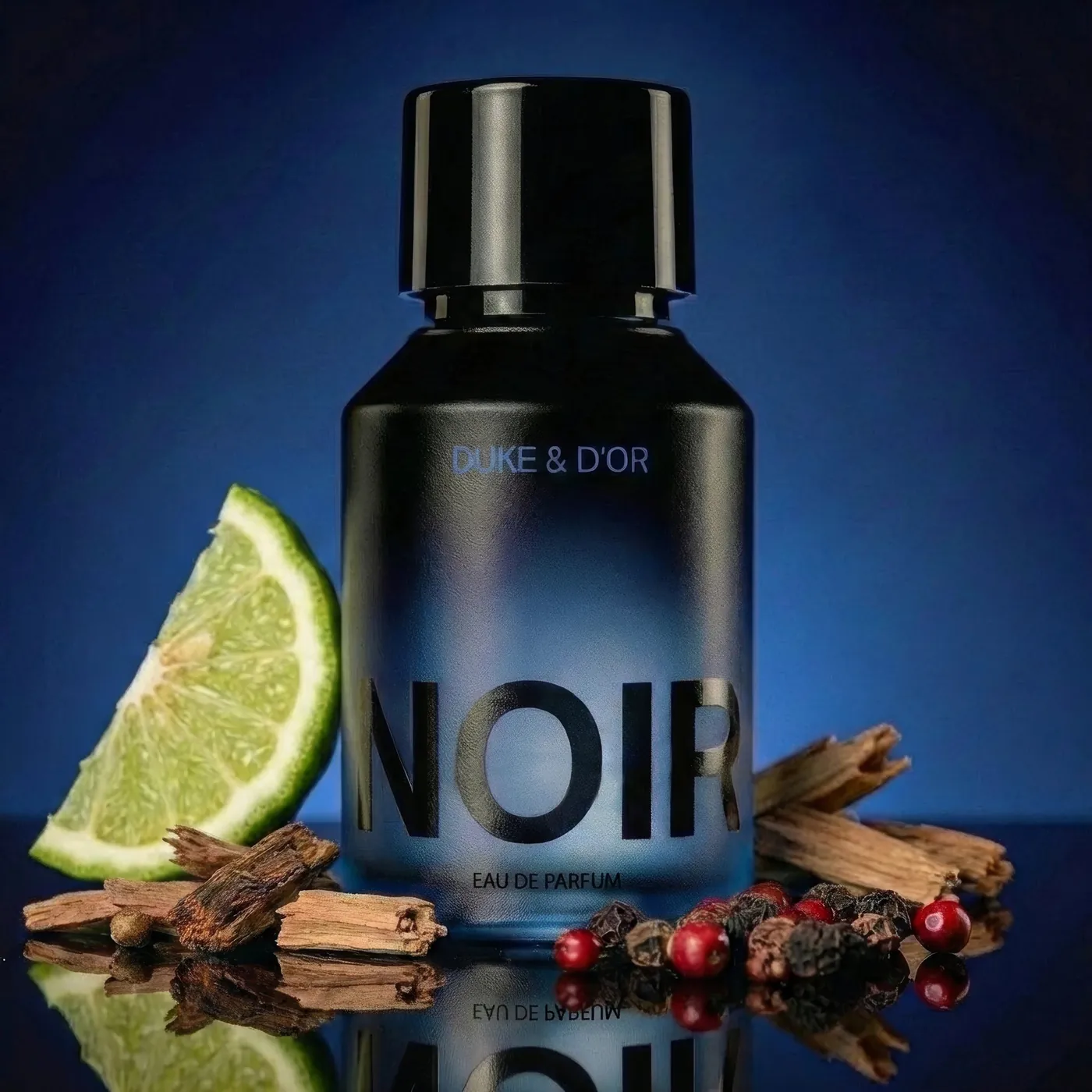
Duke & D’or Noir 50 ml perfume bottle, CGI product render Duke & D’or PerfumesNoir & royal eau de parfum
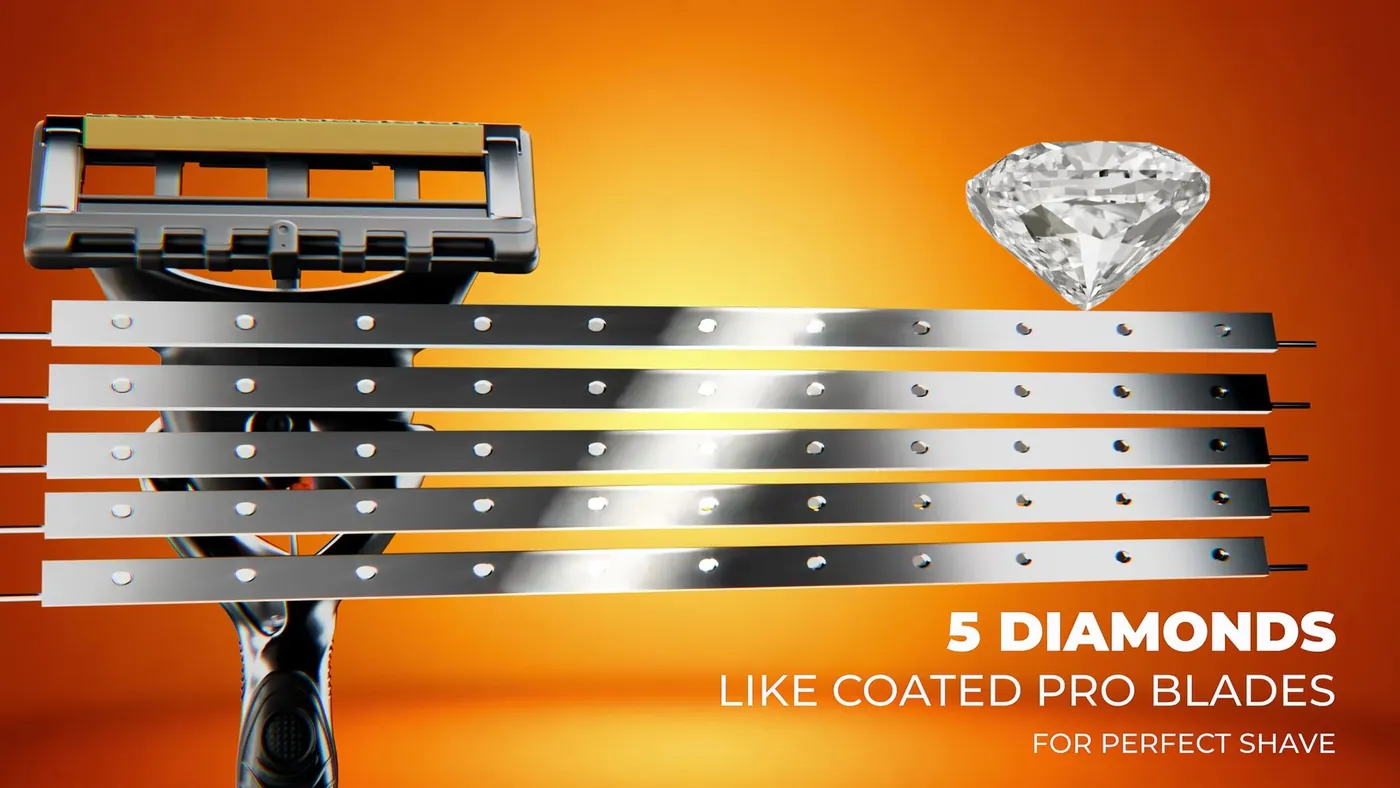
Macro 3D render of the Gillette Fusion 5 razor head Gillette Fusion 5 — Product Film3d product rendering — hero campaign loop
American Tourister suitcase, frame from the 3D product film American Tourister — Suitcase3d product film — suitcase animation

A render or a photograph

Buyers often compare 3D rendering with product photography. Each suits different jobs. A render is the better choice when the product does not exist yet, when there are many colours, sizes or label versions to show, when the surface is glass, chrome or gloss plastic, or when you want a cutaway or an angle a camera cannot reach. A render can also be changed later without a reshoot.

A photograph is the better choice when the product is finished and in your hands, there are only a few items, and a plain background is all you need. It is also better for things that are hard to model truthfully: food, garments worn by a person, and handmade pieces where each one differs. We do not run photo shoots. If a photograph will serve you better, we say so. Our guide to AI vs CGI goes further into the choice of method.

Your situationUsually the better choice
The product is not manufactured yetRender
Many colours, sizes or label versionsRender
Glass, chrome, gloss plastic or liquidRender
A cutaway, or a view of the insideRender
A few finished products on a white backgroundPhotograph
Food, garments on a person, handmade piecesPhotograph

What we need from you

Product CAD, the 3D design file your factory works from, is the most accurate starting point. Without it, we model from a sample or from photographs with measurements.

  • Product CAD from your design or factory team, if it exists
  • Or a product sample sent to the studio
  • Or clear photographs from every side, with dimensions
  • Label and packaging artwork, as the original files from your designer
  • Colour references for each variant
  • The list of images: angles, backgrounds, sizes and where each will be used
  • Reference images for the look of the hero stills

What decides the price

3D product rendering is quoted per image, with the 3D model counted once. The cost of the model depends on how complex the product is. A bottle with a label is simple. A keyboard or a trolley bag with many parts takes longer. After that, a plain pack shot costs less than a hero still, because a hero still needs a set, props and its own lighting.

Extra colours and angles of the same product add little, because the model already exists. Send the product list and the number of images, and the quote states the images, the rounds of changes, the delivery size and the schedule. When you compare two quotations, check whether the model is charged separately and whether each variant is counted as a full image. The CGI ad cost guide explains the units for stills and for film.

Where AI fits

AI image tools can put a product in a scene in seconds, but they redraw the product every time. The logo, the proportions and the label text drift from one image to the next. So the product itself is always modelled in 3D. For a pack that will be manufactured, realistic 3D product rendering has to start from an accurate model.

Where a lifestyle scene around the product helps, we direct that scene with AI and keep the modelled product in it.

How it runs

  1. 01

    Brief

    You send the CAD, sample or photographs, the artwork and the list of images.

  2. 02

    Model

    We build the product in 3D and match its materials, colours and label.

  3. 03

    Draft images

    You check the shape, the angles and the framing on plain previews.

  4. 04

    Materials and lighting

    Surfaces, reflections and the set are finished, and you review again.

  5. 05

    Final images

    Stills are delivered at the size agreed in the quote, with each variant named clearly.

Questions

How much does 3D product rendering cost in India?

It is quoted per image, with the 3D model counted once. The cost depends on how complex the product is, how many images you need and whether they are plain pack shots or styled hero stills. Send the product list for a quote.

3D rendering vs product photography: which costs less?

It depends on the number of images. For a few finished products on white, a photograph usually costs less. For many colours, sizes and angles, rendering usually costs less per image, because the model is built once and reused.

Can you render a product that has not been manufactured yet?

Yes. Product CAD or dimensioned drawings and the label artwork are enough. This is a common reason to choose rendering: the images are ready for the launch while the first batch is still being made.

What do you need to start: CAD, a sample or photos?

Any one of them. CAD is the most accurate. A sample lets us measure the product and match its materials. Photographs from every side with dimensions also work for simpler products.

Will the logo, label and colours be accurate?

Yes. The label is applied from your artwork file and the colours are matched to your references. You check both on drafts before the final images are made.

Can I use the renders on Amazon and other marketplaces?

Yes. Pack shots are made on a pure white background for marketplace listings. Tell us which marketplaces you sell on when you brief us, so that the background, the framing and the file sizes follow their image rules.

Can the same model be used for a video or for AR?

Yes. The model made for stills can be animated as a 3D product animation, or prepared as a lighter file for the web and AR. That is separate work and is quoted separately.

Is 3D product visualisation the same as 3D product rendering?

Yes. Product visualisation, also spelled visualization, is the general word for showing a product in 3D. Rendering is the step that produces the final image. Buyers and studios use both terms for the same service.

Keep going

Get in touch

Send the product, the list of images and where they will be used, and we reply with a quote and a schedule.