Guide AI vs CGI
Back to top

AI vs CGI what each does and when to use which

Start a project

CGI builds the product in 3D and repeats it exactly. Generative AI makes pictures quickly and changes small details between shots. We often use both in one film.

Guide

CGI is a picture made from a 3D model that an artist builds, lights and films inside a computer. Generative AI makes a picture from a written description and reference images. CGI repeats exactly. AI is faster and changes small details from one shot to the next.

Choose CGI when the product must look identical in every frame: the shape, the label, the colour. Choose AI when the job is a world, a mood or many variations, and speed matters more than exact detail. On many brand jobs we combine them. The product is modelled in 3D so it stays accurate, and AI builds the setting around it. This guide also covers VFX and product photography, because the same question usually includes them.

In short

  • 01

    CGI is built, then filmed

    A 3D artist models the product, sets the materials and the light, and renders it. The same model gives the same product in every shot.

  • 02

    AI is described, then generated

    The picture comes from a written prompt and reference images. It arrives quickly, and each result differs a little from the last.

  • 03

    VFX is added to filmed footage

    Visual effects change or add to something a camera has shot. A CGI product placed into a filmed street is a VFX shot.

  • 04

    Where AI goes wrong

    Labels, logos, small text, exact proportions, and anything that has to match from one shot to the next.

  • 05

    Where CGI takes more effort

    The model, the materials and the lighting take longer to set up. After that, new angles and new versions come from the same file.

  • 06

    How we combine them

    The product is modelled in 3D. AI is used for the world around it, for mood, and for exploring ideas quickly.

Seen in practice

Projects made with CGI, with AI, and with the two together.

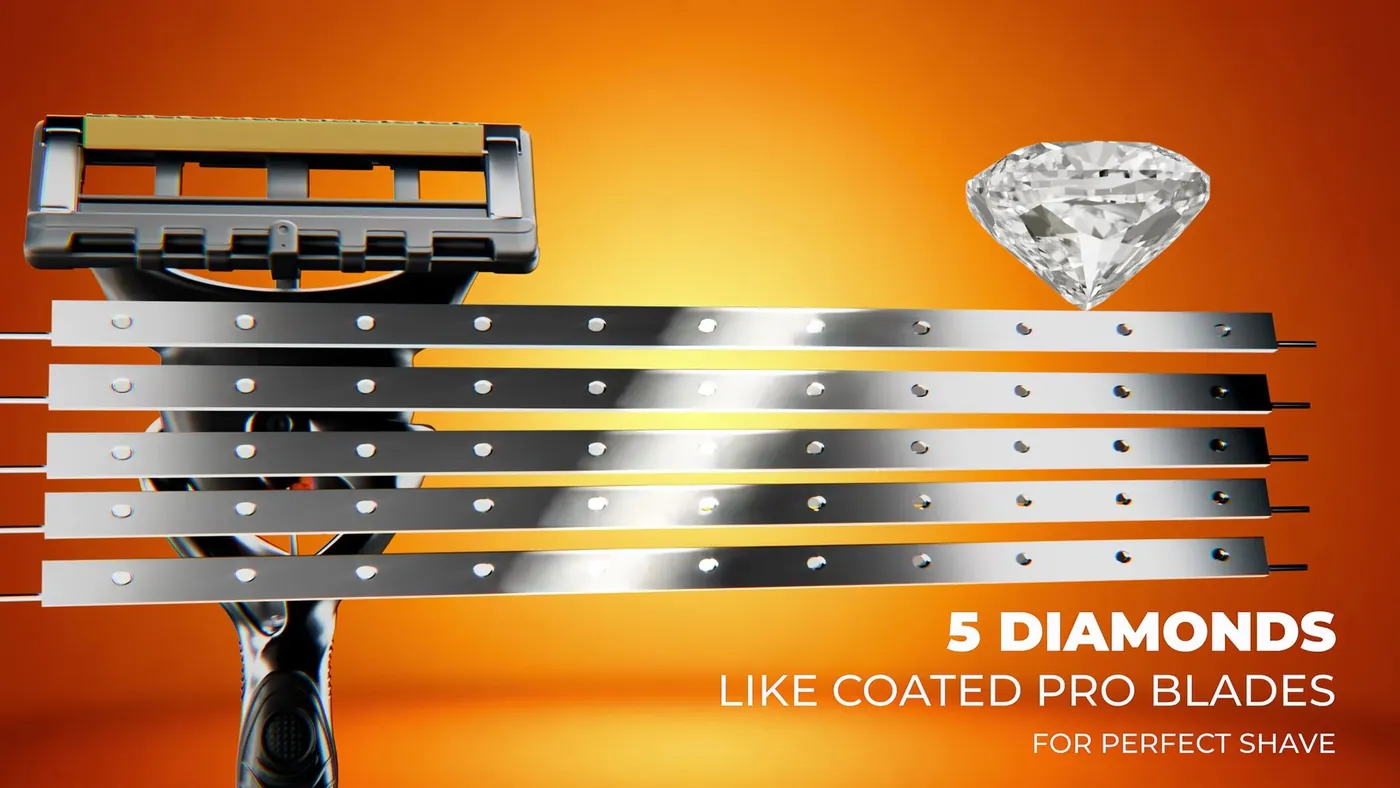
Macro 3D render of the Gillette Fusion 5 razor head Gillette Fusion 5 — Product Film3d product rendering — hero campaign loop
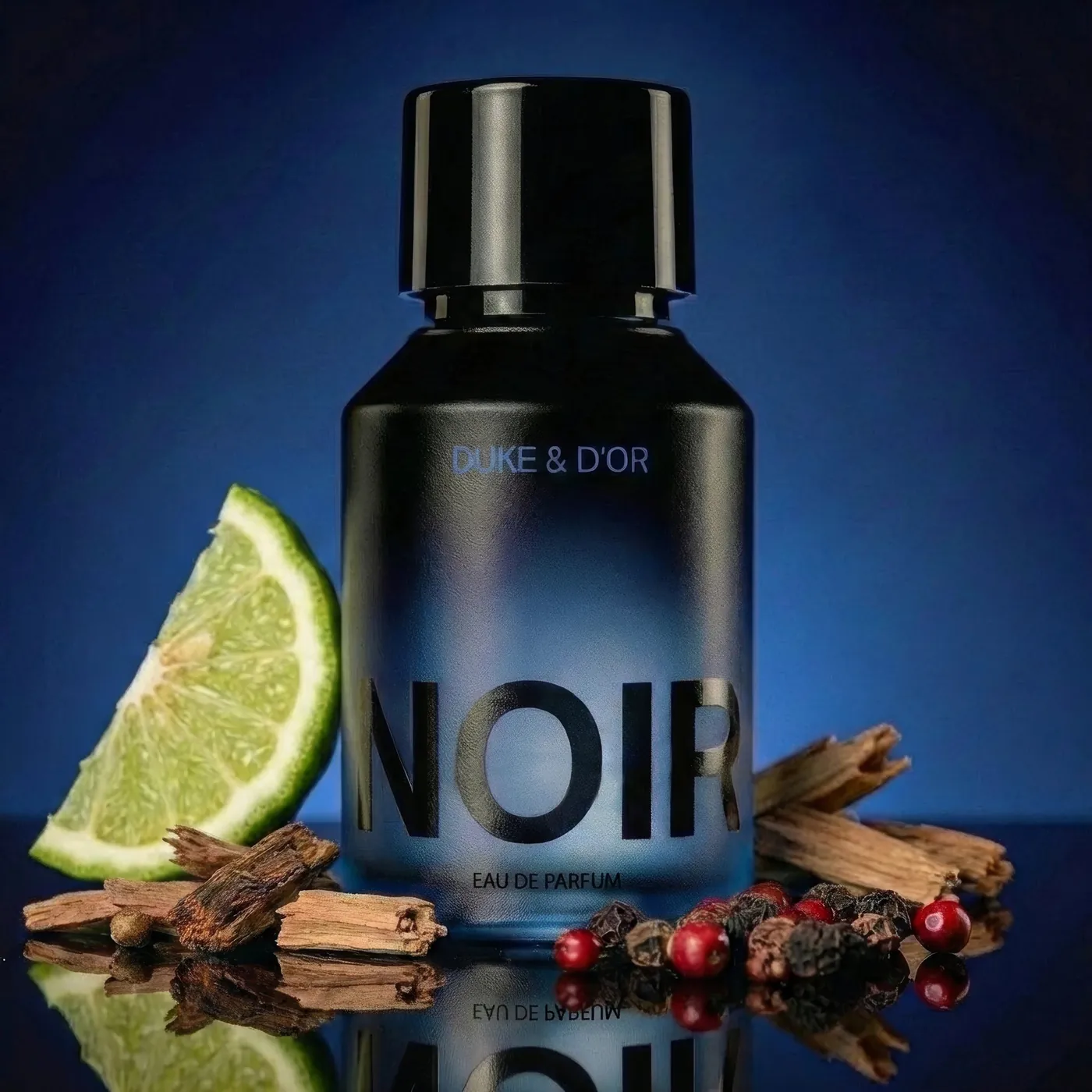
Duke & D’or Noir 50 ml perfume bottle, CGI product render Duke & D’or PerfumesNoir & royal eau de parfum
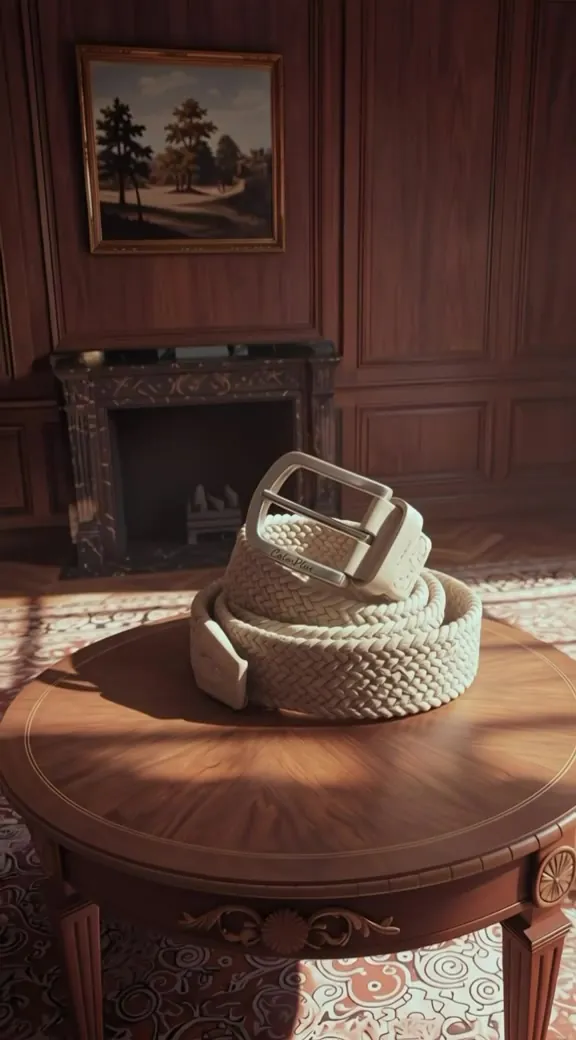
Colour Plus flex belt by Raymond, frame from the AI campaign film Colour Plus by RaymondAi campaign film — the flex belt

What CGI is

CGI stands for computer-generated imagery. For a product, it means a 3D artist builds the object in the computer to its real dimensions, from CAD files, which are the manufacturer's design files, or from a sample or photographs. The artist gives each surface its material: glass, brushed metal, printed card. Lights and a camera are placed, as they would be in a photo studio, and the computer calculates the image. That calculation is called rendering.

Because the product exists as a model, it can be turned, opened, taken apart or filmed from any angle, and it is the same object every time. This is what Indian marketing teams usually mean by a CGI ad: a hyper-real product film made without a shoot. Our page on 3D product animation explains how such a film is made.

What generative AI is

Generative AI makes an image or a video clip from a description. The person directing it writes the description, called a prompt, supplies reference images, then chooses and corrects the results. Nothing is modelled. The tool has learned from a very large number of pictures what things tend to look like, and it produces a new picture that fits the description.

This makes it quick at things that are slow to build by hand: a city street in winter, a crowd, a period room, a painted style. It also means the tool is estimating. It does not know your product's exact dimensions or the wording on the label unless those are supplied, and then checked in every shot.

The AI vs CGI difference in one table

Each method is weak where the other is strong. The choice depends on what has to stay fixed in your film.

CGIGenerative AI
How the picture is madeBuilt as a 3D model, then lit and renderedGenerated from a prompt and reference images
Product accuracyExact, because it is modelled to real dimensionsClose, with details that can drift
The same product across shotsIdentical every timeHas to be checked and corrected shot by shot
Setting upSlower: model, materials, lightingFaster: first images arrive early
Changes laterA new angle or colour from the same modelA change usually means generating again
Good atProducts, packaging, liquids, glass, mechanismsWorlds, people, mood, styles, many variations
Goes wrong whenThe schedule leaves no room for the setupLabels, logos, text and proportions must be exact

Where each one goes wrong

AI changes details between shots. A bottle cap gains a ridge. The logo is spelled almost correctly. The pack is a little taller in the second scene than in the first. A viewer may not be able to name the fault. A brand manager will, and so will the legal team. Directing AI well is mostly the work of catching and correcting these changes.

CGI goes wrong in a different way. It takes longer to set up, so a late brief leaves little room. A model built in a hurry looks artificial. A fully built world, with streets, weather and people, is far more work in CGI than a product standing on a surface.

CGI vs AI vs VFX

VFX means visual effects: changing or adding to footage that a camera has filmed. Removing a wire, replacing a sky and placing a CGI product into a real street are all VFX. CGI is often one of the things used to do it. AI is now used too, for backgrounds and clean-up.

To tell the three apart: CGI is a way of making a picture from a 3D model. Generative AI is a way of making a picture from a description. VFX is the job of combining made pictures with filmed ones. A film with no camera footage at all can be full CGI, full AI, or a mix of the two.

3D rendering vs product photography

A photograph needs the finished product, a studio and a photographer in the same place. A 3D render needs the design files or a sample to model from. Photography suits a product that already exists and will not change, and it suits food, clothes worn by a person and anything handmade.

Rendering suits a product that is not manufactured yet, comes in many colours or sizes, or needs views a camera cannot take, such as a cutaway or parts moving apart. Once the model exists, a new colour or angle is a change to the file. Which costs less depends on how many images you need and how often the range changes. See 3D product rendering.

How we combine the two

For anything that will be manufactured, we model the product in 3D first. That fixes the shape, the label and the colour. AI is then used for what it is good at: the place the product sits in, the light, the atmosphere, and trying ideas quickly before anything is final. The modelled product is placed into those scenes, so it is the same object in every shot.

Our line for this is "Not just generated. Directed." When a campaign is about a world and a feeling, and the product is seen only briefly, an AI brand film can be the right method on its own.

How to choose for your brief

Three things settle most briefs: what must look exactly the same in every shot, how much of the film is the product and how much is the world around it, and how many versions you will need.

  • The pack, label or logo is seen in close-up: model it in CGI
  • The product is not manufactured yet: CGI from the design files
  • The film needs a place, people or weather: AI for the world, CGI for the product
  • You need many versions to test: AI, with the product checked in each one
  • The visuals will be reused season after season: CGI, because the model is kept
  • The idea is a mood or a story: AI may be enough

Questions

What is the difference between AI and CGI?

CGI is made from a 3D model that an artist builds, lights and renders. Generative AI makes the picture from a written description and reference images. CGI repeats the product exactly. AI is faster and varies from shot to shot.

Is AI cheaper than CGI?

It depends on what the film has to show. AI needs less setting up, so a mood film or a set of variations is usually less work. When the product must be exact in close-up, checking and correcting adds work, and CGI or a mix is the safer method. We quote after a brief.

Will AI keep my pack, logo and colours accurate?

Only if it is checked and corrected. AI tends to alter small text, logos and proportions between shots. We model the product in 3D and place it into the AI scenes, so the pack is the same in every frame.

What is the difference between CGI and VFX?

CGI is a picture made from a 3D model. VFX is the work of changing or adding to filmed footage, and it often uses CGI to do that. A CGI product placed into a filmed street is a VFX shot.

Is 3D rendering better than product photography?

Each suits a different case. Photography suits a finished product that will not change. 3D rendering suits a product that is not made yet, has many variants, or needs views a camera cannot take.

Can generative AI replace CGI for product ads?

For the world around the product, often yes. For the product itself, we still model it in 3D when it has to be accurate. We often use the two together in one film.

What do you need from us to start?

Product CAD, a sample or clear photographs, the pack artwork, the brand guidelines and references for the look. Tell us where the film will run and how many versions you need. A quote follows the brief.

Keep going

Get in touch

Tell us what the product is and where the film will run. We will say which method fits and send a quote.