Service Web AR (No App)
Back to top

Web AR: augmented reality without an app opened from your product page

Start a project

The shopper taps "view in your room" on your product page, or scans a QR code. The product appears in their room through the phone camera. No app is installed.

Service

Web AR, also written WebAR, is augmented reality without an app. The shopper taps a button on your product page, points the phone at the floor and sees the product standing there at its real size. [Try it on our home page](/#s06).

Few buyers search for the term web AR. They know it as "view in your room" or "AR view" from large shopping apps, and they want the same thing on their own website. This page explains how it works on iPhone and Android, how it differs from an AR app, what we need from you and how it is priced. The studio is in Mumbai and sets up web AR for brands across India.

What you get

  • 01

    No app to install

    The AR viewer is already part of the phone. iPhone opens the product in Quick Look and Android opens it in Scene Viewer.

  • 02

    True scale

    A sofa two metres wide takes up two metres of the shopper's floor, because the model is made to the sofa's measurements.

  • 03

    Floor or wall

    Furniture, appliances and objects are placed on the floor. Art, mirrors and wall lights are placed on a wall.

  • 04

    A button and a QR code

    On a phone, the shopper taps a button. On a laptop screen the same page offers a QR code, which opens the product on their phone.

  • 05

    A 3D view on the page as well

    Before opening AR, the visitor can turn and zoom the same model in the browser.

  • 06

    Added to your current website

    The viewer goes onto the product pages you already have. The site does not need to be rebuilt.

Work like this

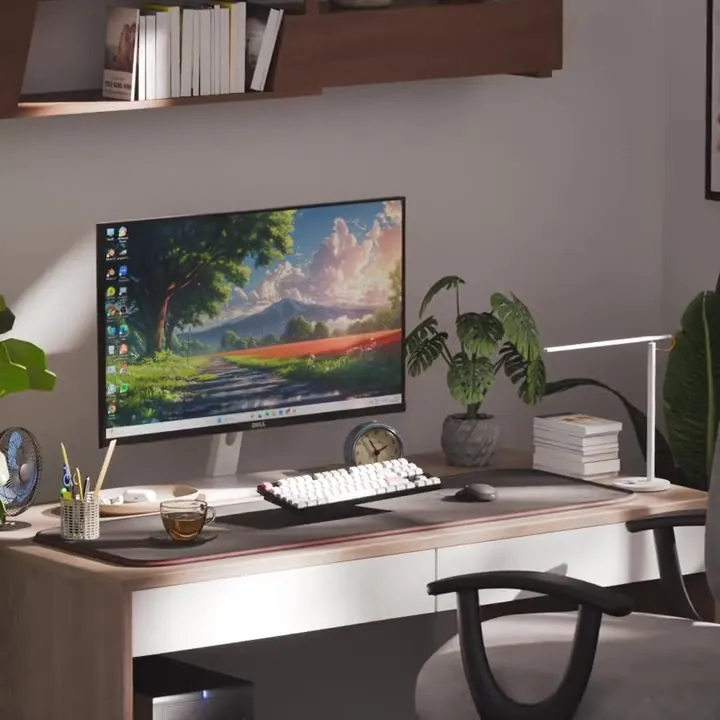
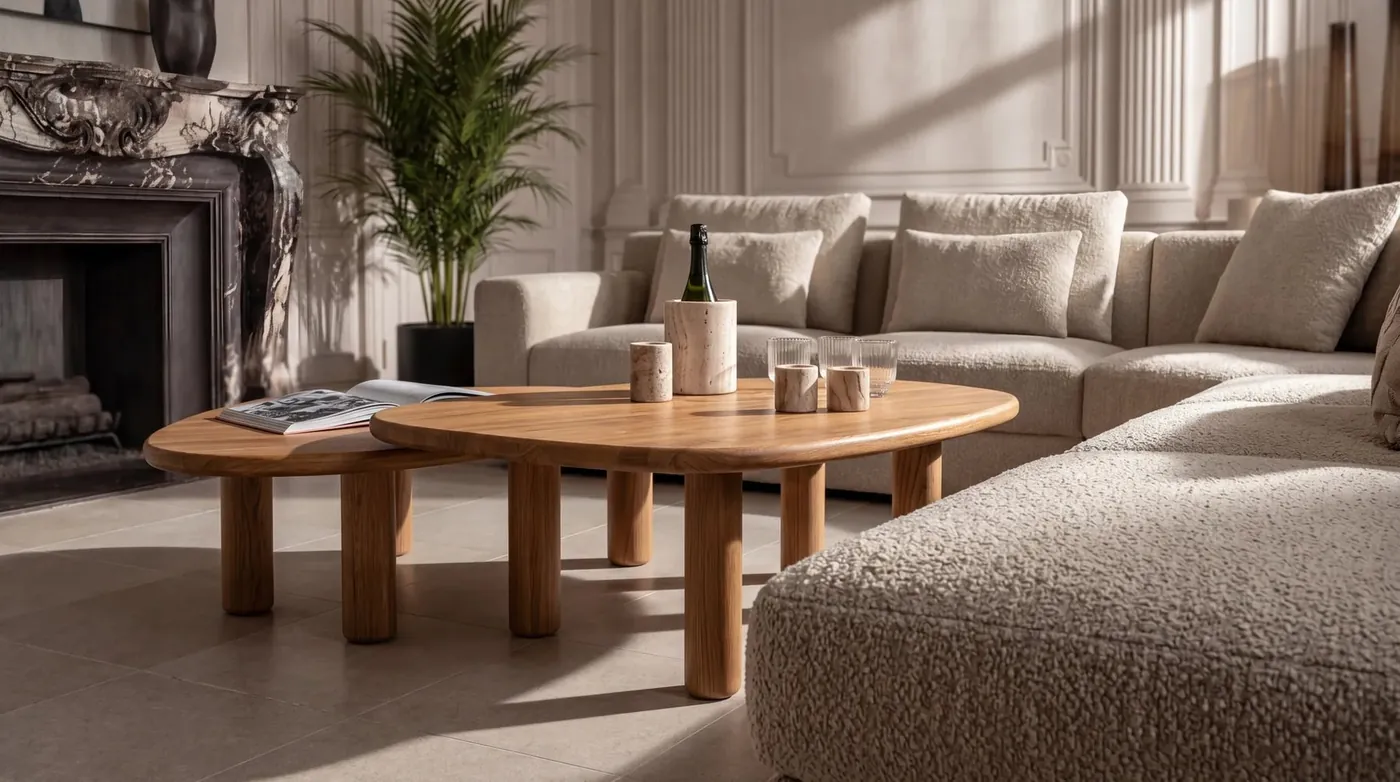
Product and furniture work made in the studio.

American Tourister suitcase, frame from the 3D product film American Tourister — Suitcase3d product film — suitcase animation
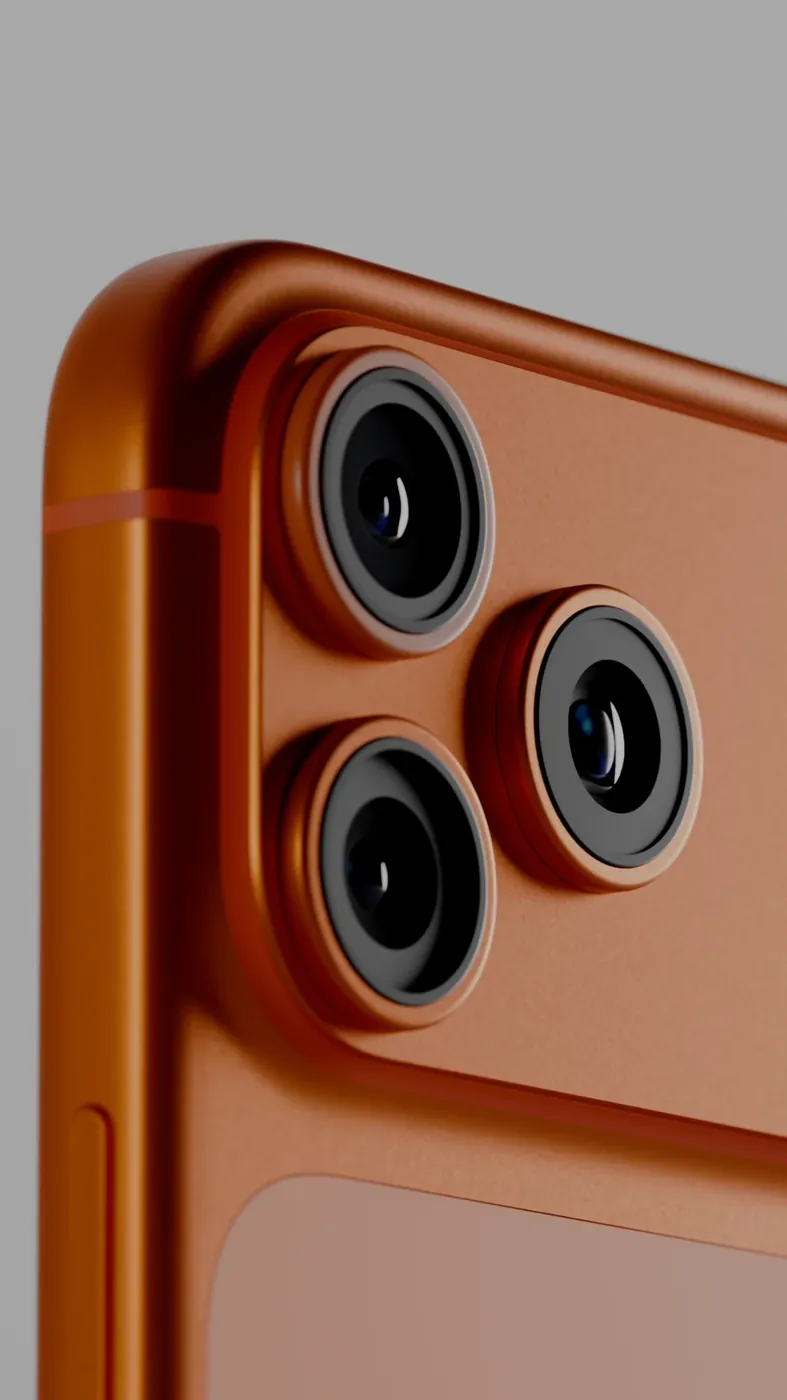
3D product render of a phone on an orange set Product Image RendersHero stills & packaging visualisation

How web AR works on iPhone and Android

Each product is prepared as two files. Android phones and web browsers read a GLB file, which holds the whole 3D model in one file. iPhone and iPad read a USDZ file, which is the format they use for AR. The product page carries a viewer that can tell which kind of phone it is on.

When the shopper taps the AR button on an iPhone, the USDZ opens in Quick Look. On Android, the GLB opens in Scene Viewer. Both are part of the phone's own software. The camera turns on, the phone finds the floor, and the product is placed there. The shopper can walk around it, slide it and turn it.

A laptop has no camera to point at the room, so on a laptop the page shows a QR code. Scanning it opens the same product on the phone, ready to place. The same code can be printed on a tag or a catalogue page: see AR QR codes.

Web AR vs an AR app

An AR app can do more than web AR. It can place several products together, remember a room and add tools of its own. It also has to be built, published on the app stores and kept up to date, and each shopper has to install it before seeing anything.

Web AR does one job. It shows one product, at true size, in the shopper's room, a tap or two after they open your product page. We make web AR. We do not build apps.

CompareWeb ARAR app
How the shopper startsTaps a button on the product page, or scans a QR codeFinds the app in the app store, installs it and opens it
What you maintainModel files and a viewer on your websiteAn app on the app stores, with updates
What it doesPlaces one product in the room at true sizeCan place several products, save rooms and add its own features
Who it suitsA brand that wants AR on its product pagesA brand whose customers already use its app

What we need from you

Web AR starts with an accurate model, so we ask for what any 3D product modelling job needs: the dimensions, and a clear reference for the shape and the materials.

  • The list of products, with the height, width and depth of each
  • CAD, drawings or existing 3D files, if you have them
  • Photographs from every side, and close-ups of the materials
  • The colours and finishes to cover
  • Which pieces are placed on a wall
  • A link to your website, and the platform it runs on

Where it works, and where it does not

AR needs a phone or tablet that supports it. Current iPhones and iPads do, and so do most recent Android phones. On a phone that does not, the shopper still gets the 3D model to turn on the page, and the AR button is not shown.

The phone also needs some light and a floor or wall that its camera can make out. In a dark room, or on a plain glossy floor, the phone can take longer to find the surface. This is a limit of the phone and applies to every AR viewer.

Web AR shows the product as it was modelled. A different fabric or colour is a different model, so each variant you want in AR is prepared as its own file.

What web AR costs

People often ask about "augmented reality app development cost", because they assume AR means an app. With web AR there is no app to develop, so that cost does not apply. You pay for the 3D models and for the set-up of the viewer on your site.

We quote per model. Each product is one model, exported as GLB and USDZ. A simple shape in one material is less work than a piece with upholstery, stitching or moving parts, and the charge follows that. The reference you send and the number of variants also count. The set-up of the viewer, the AR button and the QR codes is quoted once per project.

The quote states the number of products and variants, the revision rounds and the schedule.

How it runs

  1. 01

    Product list

    You send the products, their dimensions and the reference you have.

  2. 02

    Models

    We build each product in 3D at real size, and you approve it.

  3. 03

    AR files

    Each model is optimised for phones and exported as GLB and USDZ.

  4. 04

    Viewer and QR codes

    We set up the viewer, the AR button and a QR code for each product.

  5. 05

    On your site

    The viewer goes onto your product pages and is opened on iPhone and Android to check it.

Questions

Does web AR need an app on the shopper's phone?

No. The AR viewer comes with the phone: Quick Look on iPhone, Scene Viewer on Android. The shopper taps a button on your page or scans a QR code.

What is the augmented reality app development cost in India?

With web AR there is none, because no app is developed. Web AR is quoted per model, one for each product in two formats, and the viewer set-up is quoted once per project. Tell us how many products you have and we send a quote.

Does web AR work on both iPhone and Android phones?

Yes. Each product is delivered as a USDZ file for iPhone and iPad and a GLB file for Android. The page sends each phone the file it needs.

Is the product shown at its true size?

Yes, if the model was built to the product's real dimensions, which is how we build them. A wall piece appears at its real size on the wall, and everything else on the floor.

Web AR or an AR app: which should we choose?

Choose web AR if the aim is to let shoppers see a product in their room from your website. Consider an app if your customers already use your app and you need features beyond placing a product. We make web AR only.

Will it work on our online store platform?

In most cases, yes. The viewer is a small piece of code on the product page, and some store platforms accept 3D model files directly. Tell us which platform you use and we check before quoting.

Which phones can open web AR?

Current iPhones and iPads, and most recent Android phones. Older phones and some low-cost Android phones do not support AR. On those, the shopper can still turn the 3D model on the page.

Keep going

Get in touch

Send your product list and a link to your website. We reply with a quote and a schedule.